

Recent News
Recent News
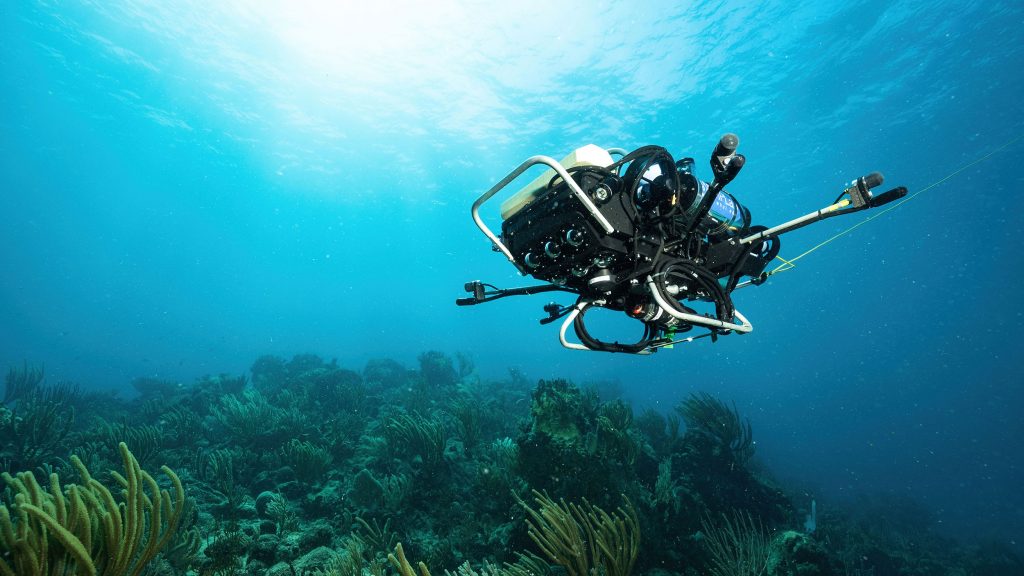
Autonomous underwater robot discovers hidden coral reef “hotspots”
New underwater robot combines audio and visual data to identify areas of high biological activity, opening new possibilities in coral reef conservation by autonomously identifying, mapping biodiversity “hotspots” at sub-meter scales, even in unexplored reef environments. Read more>
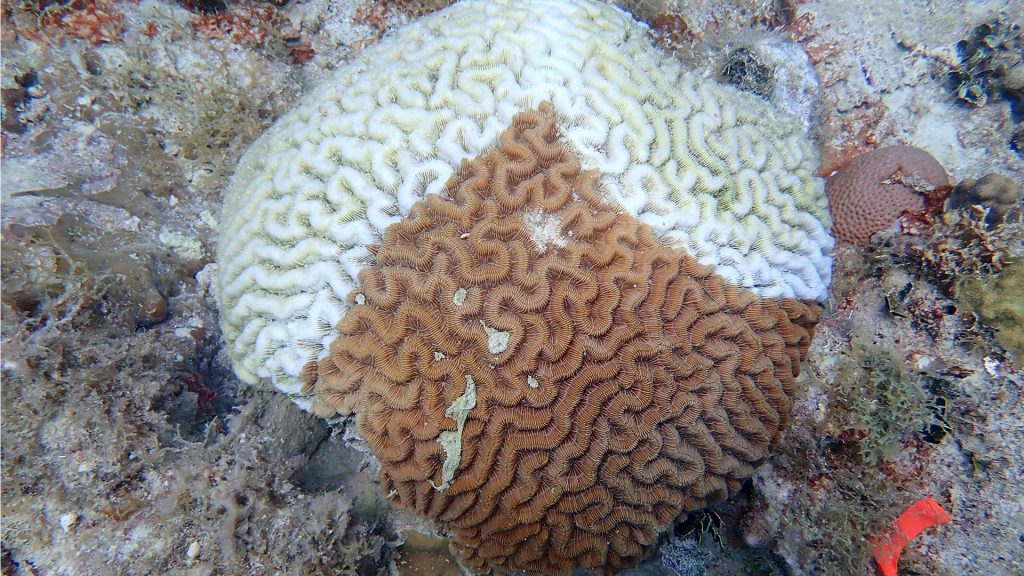
Seawater microbes offer new, non-invasive way to detect coral disease
Researchers at the Woods Hole Oceanographic Institution, in collaboration with the University of the Virgin Islands have discovered that microorganisms in seawater surrounding corals provide a powerful indicator of coral disease, potentially transforming how reef health is monitored worldwide. Read more >
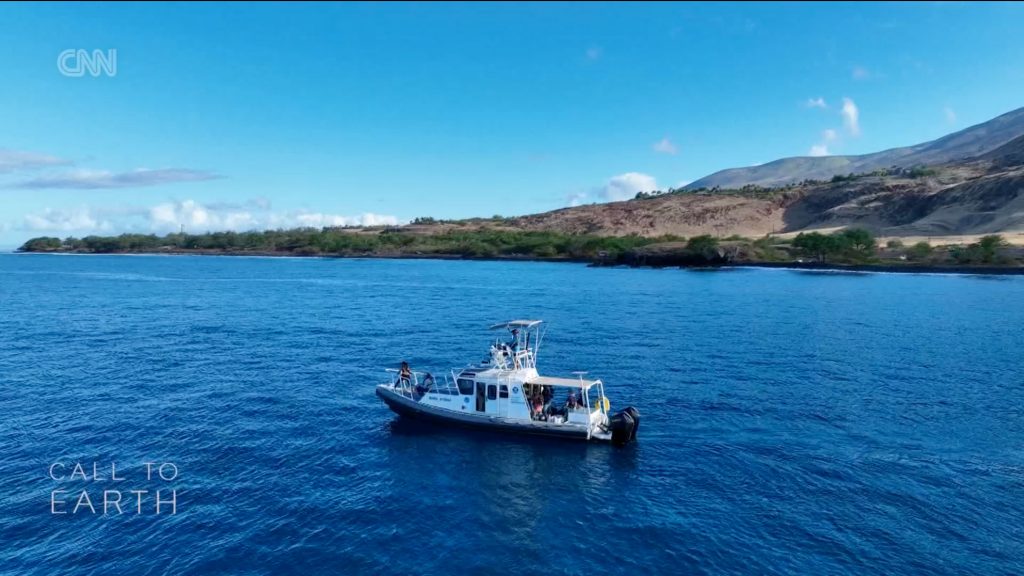
Underwater ‘reef music’ could help in coral restoration
Few ecosystems are struggling more than coral reefs. They’re facing a variety of threats like warmer temperatures, pollution and overfishing. A team led by Aran Mooney at the Woods Hole Oceanographic Institution is experimenting with sound to revive them. Watch now

Species-level Detection and Tracking of Caribbean Coral Reef Fish
New study demonstrates that species-level detection and tracking of fish from videos is a crucial capability for ecologists to study and understand trends in bio-diversity as they relate to ecosystem changes. Read more

The Race to Engineer Coral Reef Solutions in the U.S. Virgin Islands
Inside Climate News, July 9, 2025 As world leaders gather to address a global marine crisis at the UN Ocean Conference, scientists from the Woods Hole Oceanographic Institution demonstrate promising tech to monitor and restore dying reefs. Read more
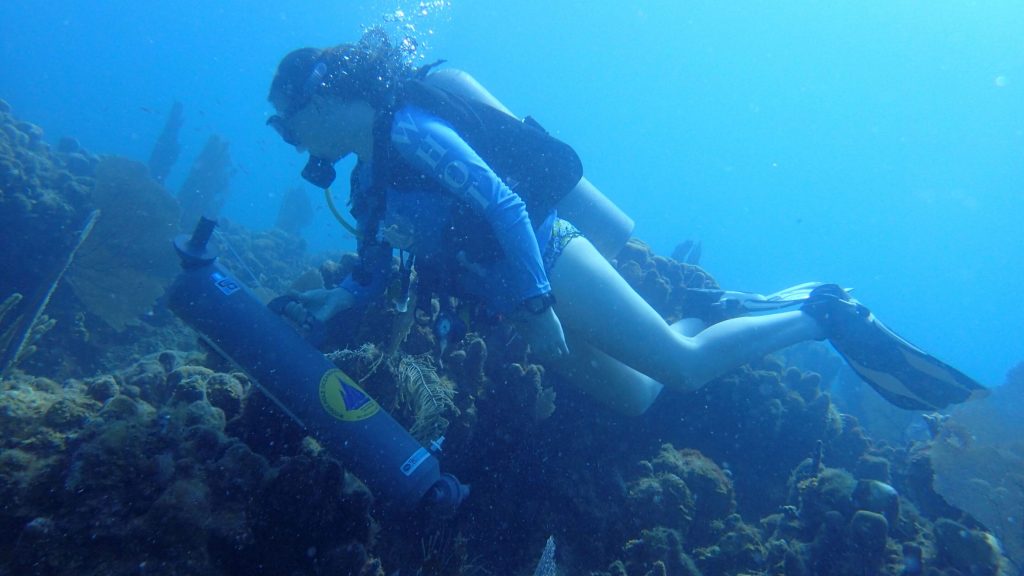
Microbial monitoring in reef waters offers accessible tool for ecosystem management
Corals everywhere on the planet live in harmony with microscopic organisms. In a new paper, researchers detail just how valuable microbial communities are for coral reef monitoring and conservation. Read more >